

Introduction
Do you ever sit down to study only to find yourself distracted within minutes—scrolling through your phone, daydreaming, or staring blankly at your notes? You’re not alone. One of the most common struggles students face is difficulty focusing while studying, especially in a world full of constant notifications and distractions.
Improving your focus is more than just a productivity hack—it’s essential for academic success. When you can concentrate deeply, you absorb information faster, retain it longer, and get more done in less time.
In this blog, we’ll cover practical, science-backed strategies to sharpen your focus and stay engaged during study sessions. From managing your environment to training your brain, each tip is designed to help you study smarter—not just harder. Let’s dive in.
Why Focus Is Essential While Studying
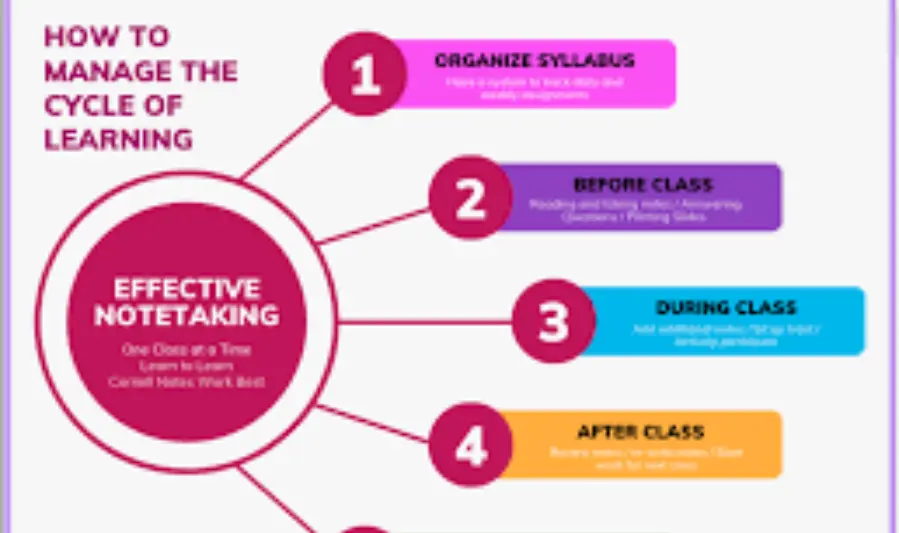
Staying focused while studying brings a range of powerful benefits. When you’re truly concentrated, you absorb information more effectively, retain it longer, and complete tasks faster—all of which lead to better productivity and less stress. Focused studying means you’re not just going through the motions; you’re engaging with the material in a meaningful way.
On the flip side, when you lose focus, study sessions become inefficient. You end up wasting time, re-reading the same paragraphs, and struggling to understand or remember key concepts. This can lead to frustration, lower confidence, and last-minute cramming.
There’s a clear link between focus and academic performance—students who consistently study with focus tend to achieve higher grades, perform better on exams, and feel more in control of their learning. In short, mastering your focus is one of the smartest things you can do to improve your results.
Common Causes of Poor Focus
- Digital Distractions
Phones, social media, and constant notifications are among the biggest focus-killers. Even quick glances at your screen can break your concentration and make it harder to get back on track. - Unclear Goals or Lack of Motivation
When you don’t know exactly what you’re trying to achieve—or you’re not sure why it matters—it’s easy to lose interest and drift mentally. Clear, meaningful goals are essential for sustained focus. - Poor Sleep, Hunger, or Lack of Exercise
Your brain needs proper fuel and rest to function at its best. Lack of sleep, skipping meals, or being inactive can leave you feeling sluggish, unfocused, and easily distracted. - Mental Fatigue or Boredom
Studying for too long without breaks, or working on material that feels repetitive or dull, can lead to burnout. Mental fatigue reduces your ability to concentrate and retain information. - Noisy or Cluttered Environment
Your surroundings play a big role in your ability to focus. A loud, messy, or chaotic study space can make it difficult to concentrate, even if you’re highly motivated.
How to Improve Focus While Studying: Step-by-Step Tips
A. Set Clear and Achievable Study Goals
Focus starts with clarity. When you know exactly what you’re aiming to do, it’s easier to stay on track.
- Why it matters: Vague goals like “study biology” lead to procrastination. Specific goals provide structure and direction.
- Examples of effective study goals:
- “Review chapters 3–4 and complete 5 practice questions in 45 minutes”
- “Summarize lecture notes into flashcards before 4 PM”
B. Create a Distraction-Free Environment
Your environment significantly affects your ability to concentrate.
- Tips to minimize distractions:
- Silence your phone or place it in another room
- Clear your desk of unrelated items
- Let others know you’re studying to avoid interruptions
- Helpful tools/apps:
- Forest: Stay off your phone by growing a virtual tree
- Cold Turkey/Freedom: Block distracting apps and websites during study sessions
C. Use Time Management Techniques
Structure helps reduce decision fatigue and keeps your focus sharp.
- Pomodoro Technique:
Study for 25 minutes, then take a 5-minute break. After four rounds, take a longer break (15–30 minutes). - Time blocking & study schedules:
Assign specific time slots to different tasks or subjects. - Break planning:
Regular breaks prevent burnout and boost long-term concentration.
D. Take Care of Your Physical and Mental Health
A healthy body supports a focused mind.
- Sleep: Aim for 7–9 hours of quality sleep each night
- Hydration & Nutrition: Drink enough water and eat brain-friendly foods (like nuts, fruits, and whole grains)
- Exercise: Even a 10-minute walk can increase blood flow and mental clarity
- Relaxation: Incorporate activities like meditation, stretching, or deep breathing to reset your focus
E. Practice Active Learning
Passive learning (just reading or highlighting) doesn’t engage your brain deeply enough.
- Active techniques:
- Self-quizzing using flashcards or apps
- Summarizing material in your own words
- Teaching the topic to someone else
- Useful tools:
- Flashcards (Anki, Quizlet)
- Mind maps for visual organization
F. Avoid Multitasking
Multitasking reduces the quality of your work and makes tasks take longer.
- Why it’s a myth: The brain can’t focus on two complex tasks at once—it just switches rapidly, losing efficiency.
- Focus tip: Work on one subject or assignment at a time and switch only after completing a set goal or time block.
G. Use Music or White Noise (Optional)
Background sounds can help block distractions—if used correctly.
- What helps:
- Instrumental music (classical, lo-fi beats)
- Nature sounds (rain, forest, ocean)
- White or brown noise
- What to avoid:
- Music with lyrics or high energy (unless it personally helps you)
H. Establish a Consistent Study Routine
Routine builds mental readiness and reduces procrastination.
- Why it works: Your brain gets used to focusing at specific times, making it easier to start and stay on task.
- Tips:
- Identify your most productive hours (e.g., early morning or late afternoon)
- Stick to a daily or weekly study schedule
I. Reflect and Adjust Your Strategy
No strategy is perfect from the start—improvement comes from reflection.
- Track your focus: Note what worked well and what didn’t after each study session
- Use tools like:
- Journaling
- Habit trackers or focus logs
- Ask yourself:
- “When was I most focused today?”
- “What distracted me, and how can I manage it better next time?”
Extra Tips for Staying Focused During Long Study Hours

- Study with Friends or Accountability Partners
Having someone study alongside you—whether in person or virtually—can boost motivation and keep you accountable. Just make sure it stays focused and not social. You can check in with each other, set shared goals, or even quiz one another. - Use a Rewards System
Give yourself something to look forward to after a focused study session. For example:
- 1 hour of studying → 15 minutes of your favorite show
- Finish a chapter → grab your favorite snack
Small rewards help maintain motivation during long sessions and make studying feel more satisfying.
- Keep Your Study Space Clean and Motivating
A tidy, well-organized space reduces mental clutter and distractions. Add elements that inspire you—a motivational quote, a small plant, or a vision board. When your space feels good, you’re more likely to stay focused and productive.
Tools and Apps That Help Improve Focus
Boosting your focus can be much easier with the right tools. Here are some top apps and platforms designed to help you stay on track and minimize distractions during study sessions:
Focus Timer Apps
Use these to apply the Pomodoro Technique and manage your study time effectively.
- Pomofocus – A clean, browser-based Pomodoro timer that helps you break study time into focused intervals.
- Focus Keeper – A mobile-friendly app that uses Pomodoro cycles with customizable session lengths and built-in break reminders.
Website Blockers
Block distracting sites and apps so you can stay locked into your work.
- Cold Turkey – A powerful desktop tool that blocks websites, apps, or even your entire computer if needed.
- Freedom – Blocks distractions across all devices at once and lets you create customized focus sessions.
Study Music Platforms
These provide curated sound environments to boost concentration and block background noise.
- Brain.fm – Uses AI-generated music scientifically designed to improve focus and cognitive performance.
- Noisli – Offers customizable ambient sounds (rain, wind, coffee shop, etc.) to create your ideal study atmosphere.
Note-Taking and Organization Tools
Staying organized reduces mental clutter and keeps your goals clear.
- Notion – A powerful all-in-one workspace for note-taking, task management, and study planning.
- Evernote – Great for capturing ideas, organizing notes, and syncing across devices for easy access anytime.
you may also like to read these posts:
Best Business Computers in 2025: Performance & Reliability
Powerful & Compact: Best Portable Mini PCs for Work
Understanding Effective Study Tips
Different Study Methods for Students: Which One Works Best for You
Struggling to Concentrate? Here’s How to Improve Focus While Studying
Mistakes to Avoid While Trying to Focus
- Overloading Your To-Do List
Trying to tackle too many tasks at once can feel overwhelming and reduce your ability to concentrate. Break your goals into manageable chunks to maintain focus and motivation. - Studying for Long Periods Without Breaks
Extended study sessions without rest lead to mental fatigue and decreased productivity. Regular breaks help refresh your mind and improve overall focus. - Ignoring Mental or Physical Fatigue
Pushing through tiredness can backfire, causing more distractions and poorer retention. Listen to your body—rest, hydration, and nutrition are key for sustained focus. - Forcing Focus in Unsuitable Environments
Trying to concentrate in noisy, cluttered, or uncomfortable spaces makes focusing much harder. Choose or create a study environment that supports your ability to focus.
Faqs:
Why do I lose focus so easily while studying?
Losing focus can be caused by distractions, lack of clear goals, fatigue, or studying in an unsuitable environment. Identifying the root cause can help you apply the right strategies.
How long should I study before taking a break?
Using techniques like the Pomodoro method, studying for 25 minutes followed by a 5-minute break is effective for maintaining focus without burnout.
Can listening to music help me focus while studying?
Yes, many students find that instrumental or ambient music helps reduce distractions and improve concentration, but it depends on personal preference.
What should I do if I get distracted by my phone?
Turn off notifications, put your phone on “Do Not Disturb,” or use apps that block distracting sites during study sessions.
How can I stay motivated to focus during long study sessions?
Set small, achievable goals, reward yourself after completing tasks, and take regular breaks to recharge your mind and maintain motivation.
Conclusion
Improving your focus while studying is a vital skill that can transform your academic performance and reduce stress. By setting clear goals, creating a distraction-free environment, managing your time wisely, and taking care of your physical and mental health, you can train your brain to concentrate better and study more efficiently. Remember, focus is like a muscle — the more you practice, the stronger it gets. Start implementing these strategies today, and watch your productivity and learning soar!