Introduction
Effective study methods matter because they help you learn more efficiently, retain information longer, and perform better—without wasting time or burning out. Everyone’s brain works differently, so understanding your individual learning style is key to finding strategies that truly stick.
In this post, we’ll categorize different study methods based on how they engage various learning styles. This way, you can explore options and choose the techniques that fit you best, making your study sessions more productive and enjoyable.
Why Categorize Study Methods?

Categorizing study methods helps students quickly identify which techniques align best with their personal preferences and strengths. Instead of trying every method blindly, you can focus on strategies that suit your learning style, making your study time more effective.
There’s a strong link between the study methods you use and your learning outcomes—choosing the right approach can improve comprehension, retention, and recall. Because people absorb information differently—whether through seeing (visual), hearing (auditory), or doing (kinesthetic)—categorizing methods based on these styles ensures that everyone can find tools that work best for them.
Main Categories of Study Methods
A. Visual Study Methods
Definition: Learning through images and visual organization of information.
Examples: Mind maps, flowcharts, color-coded notes, visual flashcards.
Pros & Ideal Learners:
Visual methods help you see connections and structure, making complex information easier to understand and remember. Ideal for learners who grasp concepts better when they can visualize ideas or patterns.
B. Auditory Study Methods
Definition: Learning by listening and speaking.
Examples: Podcasts, audio recordings, reading aloud, group discussions.
Pros & Ideal Learners:
These methods strengthen memory through sound and verbal repetition. Great for learners who retain information best by hearing it or engaging in conversation.
C. Reading/Writing-Based Methods
Definition: Learning through reading text and writing down information.
Examples: Note-taking, summarizing, making outlines, journaling.
Pros & Ideal Learners:
Writing helps process and organize information, enhancing comprehension and retention. Perfect for learners who prefer interacting with text and expressing ideas in writing.
D. Kinesthetic (Hands-On) Study Methods
Definition: Learning through doing and physical movement.
Examples: Role-playing, using physical objects, interactive models, experiments.
Pros & Ideal Learners:
Active engagement and movement help solidify learning by involving the body. Best suited for learners who understand concepts more deeply through hands-on activities.
E. Group-Based Study Methods
Definition: Learning with others through discussion and collaboration.
Examples: Study groups, peer teaching, group projects.
Pros & Ideal Learners:
Collaborative learning encourages exchange of ideas, motivation, and clarification of doubts. Ideal for social learners who thrive in interactive environments.
F. Technology-Assisted Study Methods
Definition: Using digital tools to enhance learning.
Examples: Flashcard apps, educational videos, interactive quizzes, online learning platforms.
Pros & Ideal Learners:
Tech tools offer flexibility, engagement, and personalized learning experiences. Suitable for learners comfortable with digital environments and looking for varied, interactive resources.
How to Identify Your Learning Style
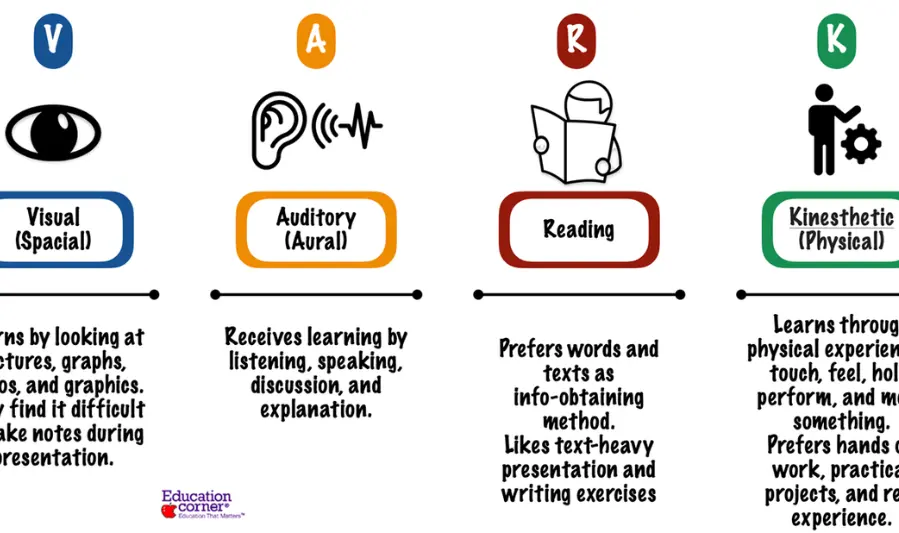
Learning styles refer to the different ways people prefer to absorb and process information. The most common styles include:
- Visual: Learning best through images, diagrams, and spatial understanding.
- Auditory: Learning best through listening and speaking.
- Reading/Writing: Learning best through reading texts and writing notes.
- Kinesthetic: Learning best through hands-on activities and movement.
To identify your learning style, try reflecting on past study experiences: Do you remember information better when you see it, hear it, write it down, or physically engage with it? You can also experiment by using different study methods and noticing which ones help you retain information more easily or make studying more enjoyable.
Remember, learning styles aren’t strict categories—mixing approaches and adapting over time can boost your effectiveness even more. The key is to observe how you respond and adjust your strategies accordingly.
Combining Study Methods
Mixing different study methods can be incredibly powerful because it engages multiple parts of your brain, making learning deeper and more flexible. Using a variety of techniques also keeps your study sessions interesting, reducing boredom and improving motivation.
Certain subjects naturally lend themselves to specific methods—for example, visual methods like diagrams and flowcharts work great for science and math, helping you grasp complex processes. Meanwhile, reading/writing methods such as note-taking and summarizing are especially effective for history or literature, where understanding narratives and details matters.
Here’s a simple idea for a weekly routine that combines different methods:
- Monday: Use visual tools like mind maps to outline new concepts.
- Wednesday: Practice active recall with flashcards or quizzes.
- Friday: Teach or discuss the material in a study group (group-based).
- Weekend: Write summaries or journal reflections to reinforce learning.
By blending methods, you can tailor your approach to both the subject and your personal learning style, maximizing your study results. Want help designing a customized weekly plan?
Common Mistakes Students Make
- Sticking to One Method That Doesn’t Work
Relying on a single study technique—even if it’s ineffective for you—can limit your progress. It’s important to stay flexible and try different approaches. - Copying Others’ Methods Without Testing
Just because a study method works well for someone else doesn’t mean it will work for you. Always experiment and see what fits your style and needs. - Ignoring Their Learning Preferences
Overlooking your own learning style can make studying less efficient and more frustrating. Tailoring your methods to how you learn best can make a big difference. - Studying Passively Without Engagement
Simply reading or highlighting without actively interacting with the material leads to shallow understanding. Active learning techniques like self-testing or teaching others are far more effective.
Tips to Make Any Study Method More Effective
- Set Clear Goals
Before each study session, decide exactly what you want to accomplish. Clear goals keep you focused and motivated. - Study in Short, Focused Sessions
Break your study time into manageable chunks (like 25–30 minutes) to maintain concentration and avoid burnout. - Take Regular Breaks
Give your brain time to rest and process information by taking short breaks between study sessions. - Review and Revise Regularly
Revisit material periodically to reinforce learning and improve long-term retention. - Stay Organized
Keep your notes, resources, and schedule tidy and accessible to minimize distractions and wasted time.
you may also like to read these posts:
Comparing Group Study and Self Study: Benefits and Best Uses
Best Business Computers in 2025: Performance & Reliability
Powerful & Compact: Best Portable Mini PCs for Work
Understanding Effective Study Tips
Different Study Methods for Students: Which One Works Best for You
Final Thoughts
Finding the study methods that fit you best can transform the way you learn, making your efforts more efficient and enjoyable. Don’t be afraid to explore different techniques and adapt them to your unique preferences and needs—what works for someone else might not be your perfect match.
Remember, consistency is key. Regular practice, paired with self-awareness about what helps you learn, will lead to steady progress and greater confidence. Keep experimenting, stay patient, and trust the process—your best study strategy is waiting to be discovered!
Optional Additions
- FAQs
- Can I use more than one study method?
Absolutely! Combining different methods often leads to better understanding and retention. Mixing techniques can keep your study sessions fresh and adaptable. - How do I know if a study method is working?
Monitor your comprehension, retention, and how confident you feel during tests or assignments. If you’re struggling, try tweaking or switching methods.
- Can I use more than one study method?
- Downloadable Learning Style Quiz
Offer a quick quiz to help readers identify whether they are visual, auditory, reading/writing, or kinesthetic learners—making it easier to choose suitable study techniques. - Printable Study Method Comparison Chart
A handy chart comparing key study methods side-by-side, highlighting pros, cons, and ideal learner types to assist in decision-making. - Links to Related Posts
- [Effective Study Tips You Can Start Using Today]
- [Time Management Strategies for Students]
- [How to Beat Procrastination and Stay Motivated]
Would you like me to help create any of these resources?
Faqs:
What are the main types of study methods?
The main types include visual, auditory, reading/writing, kinesthetic, group-based, and technology-assisted methods. Each caters to different learning styles and preferences.
How can I find out which study method works best for me?
Try experimenting with different methods and pay attention to which ones help you understand and remember information better. Reflect on your strengths and preferences, and consider taking a learning style quiz.
Can I use more than one study method at the same time?
Yes! Combining different study methods often leads to better understanding and retention, especially when adapting to different subjects or topics.
Are technology-assisted study methods effective?
Absolutely. Digital tools like flashcard apps, video tutorials, and interactive quizzes can make studying more engaging and personalized, especially for tech-savvy students.
What if I don’t fit neatly into one learning style category?
Many people are “multimodal” learners, meaning they benefit from using a mix of study methods. It’s important to adapt your approach based on the material and context.
Conclusion
Understanding the different types of study methods is essential for every student aiming to improve their learning experience. By exploring and categorizing these methods—whether visual, auditory, kinesthetic, or technology-assisted—you can discover the techniques that suit your unique learning style. Remember, there is no one-size-fits-all approach to studying. Experimenting with different methods and combining them based on your needs will help you study more effectively, retain information better, and achieve greater academic success. Start exploring today and unlock your full learning potential!