

Introduction
Making career decisions today can feel overwhelming. With countless options, rapidly changing industries, and evolving job requirements, many people struggle to find a clear path forward. Added to this are pressures from family, society, and financial concerns, which can cloud judgment and increase uncertainty.
Career guidance is a professional support system designed to help individuals navigate these challenges. It involves providing advice, resources, and personalized strategies to make informed career choices that align with one’s strengths, interests, and values.
The purpose of this article is to explain why career guidance is essential in today’s complex job market. By understanding its benefits, readers can appreciate how guidance can empower them to build meaningful and successful careers.
Clarifies Career Goals
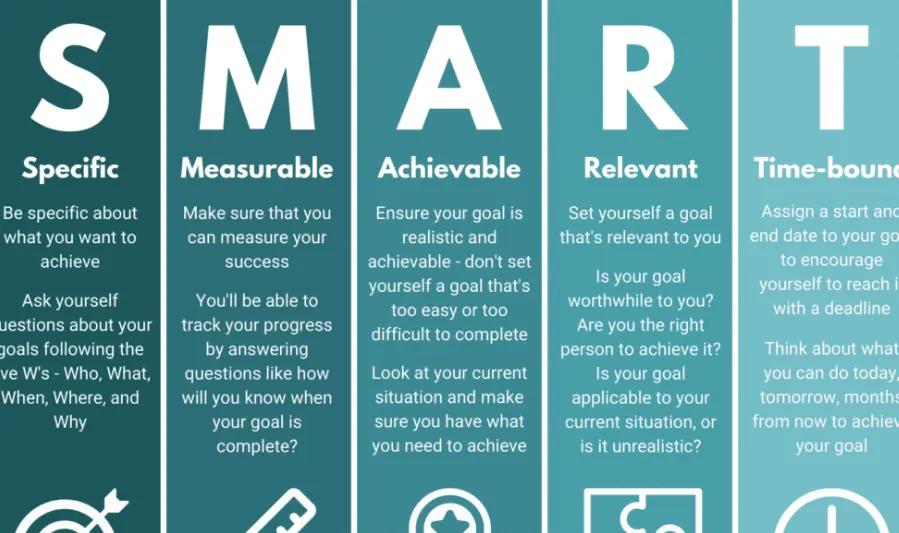
One of the key benefits of career guidance is that it helps you set realistic and personalized career goals. Instead of vague ambitions like “I want a good job,” guidance breaks down your dreams into clear, achievable steps tailored to your unique strengths, interests, and circumstances.
For example, a career counselor might help a student set goals like:
- Complete an internship in marketing within the next six months
- Earn a certification in digital marketing by the end of the year
- Apply to three companies in the targeted industry after graduation
These specific goals create a roadmap that makes career planning manageable and focused.
Having clear goals also boosts your motivation—because you know what you’re working toward—and provides direction, helping you prioritize activities that bring you closer to your career aspirations.
Increases Self-Awareness
Career guidance plays a vital role in helping you gain self-awareness—a deeper understanding of your personality, skills, and preferences. Through assessments and counseling, you learn what truly motivates you, where your strengths lie, and what types of work environments suit you best.
This self-knowledge is crucial because there’s a strong connection between self-awareness and job satisfaction. When your career aligns with who you are, you’re more likely to feel fulfilled, perform well, and maintain long-term motivation.
Some common tools used in career guidance include:
- MBTI (Myers-Briggs Type Indicator) – Explores personality types and preferred work styles
- Holland Code (RIASEC) – Matches interests to career fields based on six personality types
- Strengths assessments – Identify your top talents and how to leverage them effectively
Using these tools alongside professional counseling gives you a clearer picture of yourself, empowering you to make better career choices.
Increases Self-Awareness
One of the most powerful aspects of career guidance is how it helps you understand yourself—your strengths, weaknesses, interests, values, and personality. This kind of self-awareness is often overlooked, yet it’s the foundation of a successful and satisfying career.
The Role of Assessments and Counseling
Career counselors use a range of tools and conversations to help you reflect deeply and honestly about who you are:
- Personality Assessments can reveal how you prefer to work, communicate, and make decisions. This helps you avoid mismatched career paths.
- Skills Inventories identify what you’re naturally good at or have developed through education and life experience.
- Interest Profiles help pinpoint what kind of activities or environments energize you versus drain you.
Example:
Someone who scores high in the “Artistic” and “Social” areas of the Holland Code might be best suited for roles like teaching art, content creation, or working in creative marketing—rather than a rigid, data-heavy role that may not align with their natural talents.
Connection Between Self-Awareness and Job Satisfaction
When you choose a career based on self-awareness, you’re more likely to:
- Enjoy your work day-to-day
- Stay motivated even through challenges
- Perform better because your role fits your natural skills and personality
- Avoid burnout from trying to fit into a role that doesn’t suit you
In contrast, many people end up in jobs they dislike simply because they didn’t understand themselves before choosing a path.
Common Tools Used in Career Guidance
- MBTI (Myers-Briggs Type Indicator):
Helps identify personality type (e.g., INFP, ESTJ) and suggests compatible work styles and environments. - Holland Code (RIASEC):
Groups individuals into six types (Realistic, Investigative, Artistic, Social, Enterprising, Conventional) to match them with ideal career clusters. - CliftonStrengths (formerly StrengthsFinder):
Identifies your top natural talents and how to apply them effectively in work and life. - Career Values Assessments:
Helps clarify what matters most to you—e.g., autonomy, stability, creativity, helping others—which can guide career decisions.
Why This Matters
Choosing a career blindly, without understanding yourself, can lead to years of frustration and regret. But with the right guidance, assessments, and reflection, you can choose a path that:
- Feels authentic
- Leverages your natural abilities
- Supports your long-term happiness and goals
Final Thought:
Self-awareness doesn’t guarantee you’ll find your “perfect” job right away—but it dramatically improves your chances of finding a career that fits, evolves with you, and brings long-term satisfaction.
Prevents Costly Mistakes
Making career decisions without proper guidance can lead to serious, long-term consequences—both financially and emotionally. Career guidance acts as a protective layer, helping individuals avoid common mistakes by encouraging thoughtful, informed choices.
Common Mistakes Made Without Guidance
Without career guidance, people often make decisions based on pressure, assumptions, or lack of information. Common examples include:
- Choosing the wrong major in college, only to realize later it doesn’t match your interests or career goals
- Accepting unsuitable jobs that lead to frustration, low performance, or early burnout
- Following trends or family expectations without considering personal fit or long-term growth
Example:
A student may choose engineering because it’s considered “safe” or “prestigious,” but later discovers they dislike the technical nature of the work—resulting in wasted time, tuition, and motivation.
The Financial and Emotional Costs of Poor Career Choices
- Wasted time and money on degrees, certifications, or jobs that don’t lead to satisfying careers
- Increased stress, burnout, and dissatisfaction from working in fields that don’t align with personal values or strengths
- Delays in professional growth due to frequent job-switching, career gaps, or starting over
These costs can be especially high for students or career changers who invest heavily in education or training only to realize they’re on the wrong path.
How Career Guidance Reduces These Risks
Career counselors, assessments, and mentors provide clarity, structure, and realistic expectations. Through guided exploration, individuals:
- Make better-aligned choices from the start
- Understand job market demands before committing to a field
- Gain confidence in their path, which leads to stronger long-term planning and motivation
- Avoid common traps like chasing money, prestige, or pressure without personal alignment
Improves Employability
Career guidance doesn’t just help you choose the right path—it also prepares you to successfully enter and compete in the job market. Through personalized support, training, and exposure to opportunities, career guidance significantly boosts your employability.
Practical Training and Skill-Building
Career counselors and guidance programs often provide direct support in areas critical to job search success, such as:
- Resume and Cover Letter Writing – Learning how to create a tailored, professional resume that highlights your strengths and achievements
- Interview Preparation – Practicing common interview questions, body language, and confidence-building techniques
- Networking Skills – Teaching how to build meaningful professional connections online (e.g., LinkedIn) and in-person (e.g., events or informational interviews)
Result: You become not just more prepared—but more marketable to employers.
Role of Career Workshops and Seminars
Many schools, universities, and training institutes offer career development workshops and job readiness seminars. These sessions may include:
- Mock interviews with real professionals
- Guest talks from industry experts
- Job fair participation and company meetups
- Skill sessions (e.g., how to write a LinkedIn summary, email a recruiter, build a personal brand)
These events give practical insight into what employers are really looking for and how to stand out in a competitive field.
Case Studies / Real-Life Examples
Case Study 1:
Zainab, a final-year business student, attended a resume workshop through her university’s career center. With a polished resume and LinkedIn profile, she secured an internship within two weeks and later converted it into a full-time offer.
Case Study 2:
Ali, a recent graduate in IT, worked with a career coach who helped him improve his interview responses and recommended online networking strategies. He landed his first job within a month, beating out more experienced candidates.
These examples show how career guidance translates to real-world job success.
Conclusion:
Career guidance equips you with more than just direction—it gives you the tools, confidence, and connections needed to succeed in today’s competitive job market. By focusing on skill-building, professionalism, and job-readiness, it turns career planning into career achievement.
Supports Lifelong Career Development
Career guidance isn’t just for students or job seekers at the beginning of their journey—it’s a lifelong process. In today’s fast-changing world, where industries evolve rapidly and new roles emerge regularly, ongoing career support is essential for staying relevant and fulfilled.
Guidance Through Career Transitions
Many people go through multiple career changes in their lifetime—whether due to shifting interests, personal circumstances, or changes in the job market. Career guidance helps at every stage by:
- Assisting with mid-career shifts or reskilling
- Helping professionals return to work after a break (e.g., post-parenting, illness)
- Supporting career progression (e.g., moving from technical roles into leadership)
Example:
Someone with a decade in teaching might decide to move into corporate training or content development. A career coach can help identify transferable skills and new pathways.
Adapting to Changing Job Markets and Technology
The rise of AI, automation, and remote work has transformed what employers look for. Career guidance helps individuals:
- Understand emerging job trends and skill demands
- Identify roles that are becoming obsolete or high-growth
- Stay competitive by adapting to new tools, platforms, and technologies
Tip: A good career advisor doesn’t just ask “what do you want to do?” but also “how will this choice age over time?”
Encouraging Continuous Learning and Skill Development
Staying employable means committing to lifelong learning. Career guidance encourages this mindset by helping individuals:
- Choose relevant upskilling and reskilling options
- Find learning platforms (like Coursera, Udemy, LinkedIn Learning)
- Set long-term learning goals alongside career goals
Result: You stay agile, adaptable, and ready for new opportunities as they come.
Who Benefits Most from Career Guidance
Career guidance is valuable for anyone navigating career decisions, but it is especially helpful for people at key transition points. Whether you’re just starting out or thinking about a major change, the right guidance can provide clarity, direction, and confidence.
1. Students and Recent Graduates
At the start of their journey, many students feel overwhelmed by choices and unsure of how to turn interests into a viable career.
How guidance helps:
- Exploring career options based on personality and skills
- Choosing the right major, degree, or training program
- Building job search skills like resume writing, internships, and interviews
Result: Students make more informed decisions and feel more confident entering the workforce.
2. Mid-Career Professionals Considering Change
Many professionals reach a point where their current job no longer feels fulfilling or aligned with their goals.
How guidance helps:
- Identifying transferable skills
- Exploring new career paths or industries
- Planning reskilling or further education
- Managing career transitions smoothly
Result: They shift into roles that better match their evolving interests and values.
3. Unemployed or Underemployed Individuals
Being without meaningful work—or stuck in a job below your potential—can be frustrating and disheartening.
How guidance helps:
- Identifying the gaps between current skills and job market needs
- Creating a step-by-step plan to improve employability
- Boosting confidence and motivation
- Connecting with job resources and support networks
Result: Increased chances of finding meaningful, sustainable employment.
4. Individuals Entering the Workforce for the First Time
Whether it’s someone returning from a career break or entering the workforce later in life, first-time job seekers often feel unsure about where to begin.
How guidance helps:
- Understanding modern hiring practices and expectations
- Learning how to market life experiences and skills
- Gaining confidence in taking the first step toward employment
Result: A smoother, more supported entry into the world of work.
you may also like to read these posts:
Comparing Group Study and Self Study: Benefits and Best Uses
Best Business Computers in 2025: Performance & Reliability
Powerful & Compact: Best Portable Mini PCs for
Exploring Different Types of Online Learning Platforms
Different Methods of Career Guidance
Career guidance can be delivered in several ways—each suited to different situations, preferences, and goals. Whether you prefer personal interaction or digital tools, there’s a method that can help you explore, plan, and progress in your career journey.
1. Individual Counseling
This is a one-on-one session with a career counselor or advisor, where the focus is entirely on your personal goals, challenges, and interests.
Benefits:
- Personalized attention and tailored advice
- Safe space to discuss doubts and explore ideas
- Deeper self-awareness through structured conversation
Ideal for:
Students choosing majors, professionals planning career shifts, or anyone needing in-depth support.
2. Group Counseling
In group settings, several individuals receive career guidance together—often facilitated by a counselor or educator.
Benefits:
- Peer learning and shared experiences
- Exposure to different perspectives and options
- Less intimidating for those who are unsure or shy
Ideal for:
Classrooms, training programs, or workshops where participants are at a similar life stage (e.g. high school students or job seekers).
3. Online Platforms and Assessments
Digital tools and platforms have made career guidance more accessible than ever.
Examples include:
- Career assessment websites (e.g., 123Test, Truity, MyNextMove)
- Online counseling services (via video call or chat)
- AI-powered job matching platforms
- Career planning apps with personalized roadmaps
Benefits:
- Convenient and self-paced
- Affordable or free options
- Useful for quick self-discovery or exploring options
Ideal for:
Those who prefer digital learning, live in remote areas, or want to explore on their own before seeking human support.
4. Mentoring and Coaching
Career mentors and coaches offer guidance based on real-world experience. While mentors are often informal and relationship-based, coaches are typically trained professionals who work on specific outcomes.
Benefits:
- Real-life insight from someone in your desired field
- Practical advice on career growth, job search, or industry navigation
- Encouragement, accountability, and confidence-building
Ideal for:
Early-career professionals, mid-career changers, or anyone aiming for growth or leadership roles.
Faqs:
Who should seek career guidance?
Career guidance is beneficial for students, recent graduates, working professionals considering a career change, and even those re-entering the workforce. Anyone facing uncertainty about their career direction can benefit from professional support.
At what age should career guidance start?
Career guidance can begin as early as high school when students start exploring subjects and future possibilities. However, it’s never too late—people at any stage of life or career can benefit from it.
Can career guidance really help me choose the right career?
Yes. Career guidance uses structured assessments, expert advice, and personalized planning to help you align your interests, strengths, and values with suitable career options—making your decisions more informed and confident.
Is career guidance only for people who are struggling?
Not at all. While it can help those who feel lost or unsure, it’s also useful for individuals who want to plan ahead, explore new opportunities, or advance in their current careers.
How is professional career guidance different from advice from family or friends?
Family and friends may have good intentions but limited knowledge of the job market or your full potential. Professional career guidance is unbiased, research-based, and tailored to your individual profile.
Conclusion
Career guidance is more than just advice—it’s a structured, informed process that helps individuals make thoughtful, strategic decisions about their professional futures. In a world where job markets are constantly evolving, having access to expert support can make the difference between uncertainty and clarity, between trial-and-error and a purposeful path.
Whether you’re choosing your first career, shifting directions, or planning long-term goals, career guidance empowers you to move forward with confidence. It helps you understand yourself better, avoid costly mistakes, and build a career that aligns with your strengths, interests, and values.
Investing time in career guidance is not just helpful—it’s essential for long-term success and personal satisfaction.


