Introduction
Education has undergone a remarkable transformation with the rise of technology. From traditional classrooms to virtual platforms, learning has become more accessible, flexible, and interactive than ever before. Digital tools, online courses, and virtual classrooms now play a central role in how students acquire knowledge and skills worldwide.
In today’s fast-changing world, understanding the dynamics of online learning is essential—not only for students navigating their education but also for educators and institutions striving to deliver quality instruction. Embracing online learning opens doors to new opportunities and helps learners stay competitive in an increasingly digital society.
Definition of Online Learning
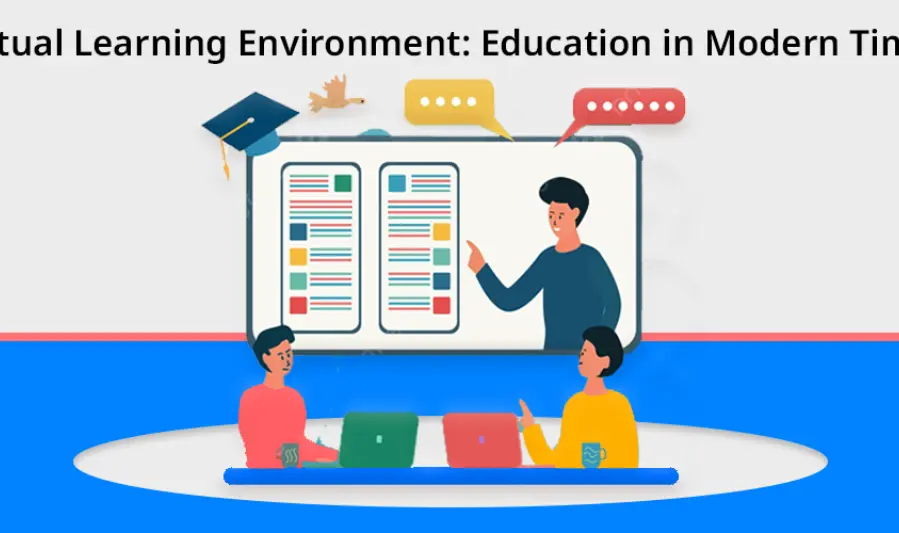
Online learning, also known as e-learning, refers to education that takes place over the internet, allowing students to access courses, materials, and instruction remotely through digital platforms. This mode of learning enables flexibility in time and location, often incorporating multimedia resources, interactive tools, and virtual communication to enhance the educational experience.
Unlike traditional classroom learning—where students and teachers meet face-to-face at a fixed place and time—online learning removes these physical boundaries. It offers greater accessibility and often allows learners to progress at their own pace, making education more adaptable to individual needs and lifestyles.
Types of Online Learning
- Synchronous Learning: This type involves live virtual classes where students and instructors interact in real time. It mimics the traditional classroom experience with scheduled sessions, enabling immediate questions, discussions, and feedback.
- Asynchronous Learning: In this flexible approach, students access pre-recorded lectures, readings, and assignments on their own schedule. It allows learners to progress at their own pace without the need for simultaneous participation.
- Hybrid/Blended Learning: This model combines both online and in-person instruction. Students benefit from the flexibility of digital resources while still participating in face-to-face activities, creating a balanced and versatile learning experience.
Tools and Technologies Used in Online Learning
- Learning Management Systems (LMS): Platforms like Moodle, Canvas, and Blackboard serve as the backbone of online learning, providing a centralized space for course materials, assignments, grades, and communication between students and instructors.
- Video Conferencing Tools: Applications such as Zoom and Microsoft Teams enable live virtual classes, group discussions, and real-time collaboration, helping recreate the interactive element of traditional classrooms.
- Digital Resources: Online learning often incorporates a variety of resources including e-books, quizzes, discussion forums, and multimedia content to enrich the educational experience and support different learning styles.
- Mobile Learning Apps: These apps allow learners to access courses, review materials, and complete assignments on the go, making education even more flexible and accessible from smartphones and tablets.
Tools and Technologies Used in Online Learning
- Learning Management Systems (LMS):
LMS platforms like Moodle, Canvas, and Blackboard are essential for organizing online courses. They provide features such as content delivery, assignment submission, grade tracking, and communication channels. These systems help both instructors and students stay organized and connected throughout the course. - Video Conferencing Tools:
Tools such as Zoom, Microsoft Teams, Google Meet, and Cisco Webex facilitate live, interactive sessions. These platforms support video lectures, breakout rooms for group work, screen sharing, and real-time Q&A, making virtual classrooms engaging and collaborative. - Digital Resources:
Online courses often include a range of multimedia content—e-books, interactive quizzes, videos, podcasts, and forums—to cater to different learning preferences. Forums and discussion boards encourage peer interaction, question sharing, and community building, enriching the learning experience. - Mobile Learning Apps:
Mobile-friendly platforms and apps like Duolingo, Khan Academy, and LMS mobile versions allow learners to study anytime, anywhere. These apps offer flexibility for busy students, enabling microlearning and quick review sessions on the go. - Assessment and Feedback Tools:
Digital tools such as Turnitin for plagiarism checking, Google Forms or Quizlet for quizzes, and automated grading systems help streamline assessments and provide timely feedback, which is crucial for effective learning. - Collaboration Tools:
Platforms like Slack, Trello, and Padlet support group projects and communication outside of formal classes, fostering teamwork and project management skills in an online setting. - Virtual Reality (VR) and Augmented Reality (AR):
Emerging technologies like VR and AR are beginning to enhance online learning by creating immersive simulations and interactive experiences, particularly useful in fields such as medicine, engineering, and the sciences. - Cloud Storage Services:
Tools like Google Drive, Dropbox, and OneDrive enable easy sharing and storage of study materials, projects, and collaborative documents, ensuring learners and educators can access resources anytime.
These technologies collectively create a dynamic and flexible learning environment that supports diverse learning needs and helps bridge the gap between physical and virtual education. Would you like me to include tips on how students can best leverage these tools?
Benefits of Online Learning
- Flexibility in Timing and Location:
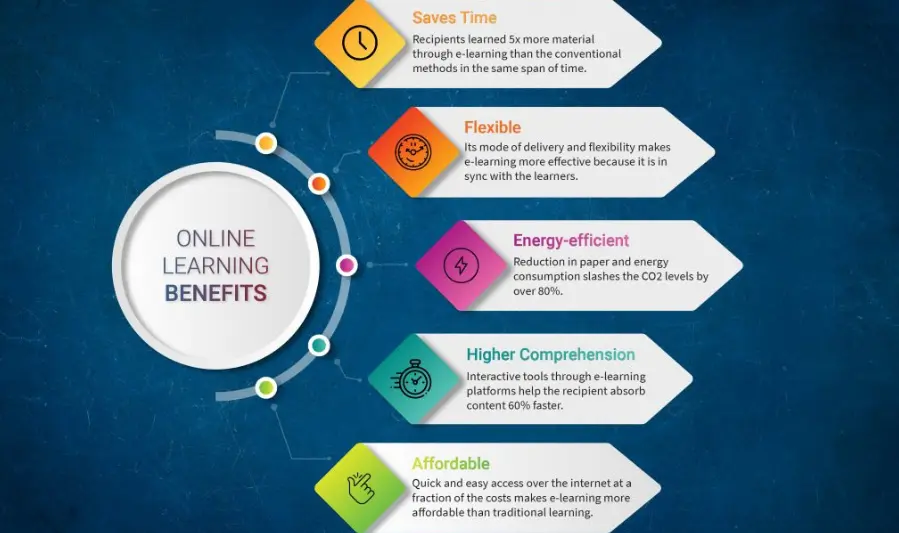
Online learning allows students to study whenever and wherever it suits them best, making education accessible for those with busy schedules, work commitments, or geographic limitations. - Access to Diverse Courses and Expert Instructors Worldwide:
Learners can explore a vast range of subjects and gain knowledge from experts around the globe, often beyond what local institutions offer. - Cost-Effectiveness Compared to Traditional Education:
Online programs often reduce expenses related to commuting, accommodation, and physical materials, making education more affordable. - Promotes Self-Discipline and Digital Skills Development:
Students develop essential time-management and self-motivation skills while becoming proficient with digital tools and technologies, which are valuable in today’s job market. - Enables Personalized Learning Paths:
Many online platforms allow learners to progress at their own pace and tailor courses to their interests and needs, enhancing engagement and effectiveness.
Benefits of Online Learning
- Flexibility in Timing and Location:
One of the biggest advantages of online learning is the ability to access education anytime and anywhere. Whether you’re balancing work, family, or other commitments, online courses let you create a study schedule that fits your lifestyle, eliminating the need to be physically present in a classroom. - Access to Diverse Courses and Expert Instructors Worldwide:
Online platforms open the door to a vast array of courses—from niche subjects to professional certifications—taught by instructors from top universities and industry leaders globally. This accessibility broadens learning opportunities far beyond what’s available locally. - Cost-Effectiveness Compared to Traditional Education:
Online learning often reduces or eliminates costs related to transportation, housing, textbooks, and campus fees. Many courses also offer free or lower-cost materials, making education more affordable and accessible to a wider audience. - Promotes Self-Discipline and Digital Skills Development:
Studying online requires learners to take responsibility for their progress, helping them develop important self-management skills like time management, goal setting, and self-motivation. Additionally, navigating digital platforms enhances technical literacy—an essential skill in today’s digital economy. - Enables Personalized Learning Paths:
Many online programs allow learners to move at their own pace, revisit challenging topics, and customize learning pathways according to their interests and goals. This personalization leads to more effective and engaging learning experiences. - Encourages Inclusivity and Accessibility:
Online education can accommodate diverse learners, including those with disabilities or those living in remote areas. Features like captioned videos, screen readers, and adjustable text sizes help make learning more inclusive. - Supports Lifelong Learning and Continuous Skill Development:
The ease of access and flexibility make online learning an ideal option for professionals looking to upskill or reskill without interrupting their careers. It encourages continuous education in a fast-evolving job market. - Fosters Global Connections and Networking:
Virtual classrooms bring together students from various cultural and geographical backgrounds, creating opportunities for cross-cultural exchange and networking that can enrich the learning experience and expand professional horizons.
you may also like to read these posts:
Comparing Group Study and Self Study: Benefits and Best Uses
Best Business Computers in 2025: Performance & Reliability
Powerful & Compact: Best Portable Mini PCs for
Exploring Different Types of Online Learning Platforms
Challenges and Limitations
- Need for Self-Motivation and Time Management:
Online learning demands a high level of discipline and the ability to manage your own schedule. Without the structure of a physical classroom, it can be easy to procrastinate or lose focus. - Possible Lack of Hands-On Experience or Practical Training:
Some subjects, especially those requiring labs, workshops, or direct practice, may be harder to fully grasp online, limiting opportunities for real-world application. - Technical Issues and Need for Reliable Internet Access:
Access to stable internet and appropriate devices is essential for online learning. Technical glitches, software problems, or connectivity issues can disrupt study sessions and cause frustration. - Potential Feelings of Isolation Without Face-to-Face Interaction:
The lack of in-person contact with peers and instructors can lead to feelings of loneliness or disengagement, which may impact motivation and the overall learning experience.
Who Can Benefit from Online Learning?
- Students Balancing Work, Family, and Study:
Online learning offers the flexibility to juggle multiple responsibilities, allowing learners to study around their busy schedules without sacrificing other commitments. - Lifelong Learners and Professionals Seeking Upskilling:
Those looking to advance their careers or acquire new skills can take advantage of online courses to learn at their own pace without interrupting their work life. - Remote or Rural Learners with Limited Access to Physical Institutions:
Individuals living far from traditional schools or universities can access quality education and a wide variety of courses without the need to relocate. - Individuals with Disabilities or Special Needs:
Online learning environments can be adapted with assistive technologies and personalized settings, providing more accessible and comfortable learning opportunities.
Future Trends in Online Learning
- Growth of AI and Adaptive Learning Technologies:
Artificial intelligence is transforming online education by personalizing learning experiences. Adaptive systems analyze student performance and tailor content, pacing, and assessments to individual needs, making learning more efficient and effective. - Virtual Reality (VR) and Augmented Reality (AR) for Immersive Experiences:
VR and AR technologies are creating highly engaging, hands-on learning environments. These tools allow students to explore virtual labs, historical sites, or complex simulations, bridging the gap between theory and practice in a way traditional online methods can’t. - Increased Use of Microlearning and Gamification:
Short, focused learning modules (microlearning) combined with gamification elements like points, badges, and leaderboards are making education more interactive and motivating, helping learners stay engaged and retain information better. - Expansion of Global Online Degree Programs and Certifications:
More universities and institutions worldwide are offering fully accredited online degrees and professional certifications. This trend is democratizing higher education, enabling learners everywhere to access prestigious programs without relocating.
Tips for Success in Online Learning
- Set Up a Dedicated Study Space:
Create a quiet, comfortable, and distraction-free area specifically for studying. This helps signal your brain that it’s time to focus and improves productivity. - Create a Study Schedule and Stick to It:
Plan your study sessions in advance and set consistent times to work on coursework. Consistency builds discipline and helps manage deadlines effectively. - Actively Participate in Discussions and Group Work:
Engage with classmates and instructors through forums, chats, and group projects. Interaction enhances understanding, keeps you motivated, and reduces feelings of isolation. - Use Available Resources and Seek Help When Needed:
Take advantage of digital libraries, tutoring services, and technical support. Don’t hesitate to ask questions or request assistance to clarify difficult concepts. - Maintain Regular Communication with Instructors and Peers:
Stay connected by reaching out through emails, virtual office hours, or messaging platforms. Building relationships can improve your learning experience and provide valuable feedback.
Faqs:
What is online learning?
Online learning is an education method where students use the internet to access course materials, interact with instructors, and complete assignments without being physically present in a traditional classroom
How is online learning different from traditional learning?
Unlike traditional learning, online learning allows students to study anytime and anywhere, providing greater flexibility and access to diverse resources through digital platforms.
What are the main types of online learning?
The main types include synchronous learning (live classes), asynchronous learning (self-paced courses), and blended learning (a mix of online and in-person education).
What equipment do I need for online learning?
At minimum, you need a reliable internet connection, a computer or mobile device, and access to the learning platform or software used by your course provider.
Who can benefit most from online learning?
Students balancing work or family, remote learners, professionals seeking new skills, and anyone looking for flexible education options can benefit greatly from online learning.
Conclusion
Online learning has transformed the way education is delivered, offering flexible, accessible, and diverse opportunities for learners worldwide. By removing traditional barriers like location and rigid schedules, it empowers students of all ages to learn at their own pace and convenience. While it comes with its own set of challenges, the benefits of online learning make it an essential and growing part of modern education. Embracing this mode of learning can open new doors for personal growth, career advancement, and lifelong education.