Introduction
Education has undergone a significant transformation in recent years, moving beyond the confines of chalkboards and textbooks to embrace digital innovation. As technology continues to reshape how we teach and learn, EdTech tools have become an integral part of modern classrooms. From interactive lessons to personalized learning platforms, these tools offer new ways to engage students and enhance educational outcomes.
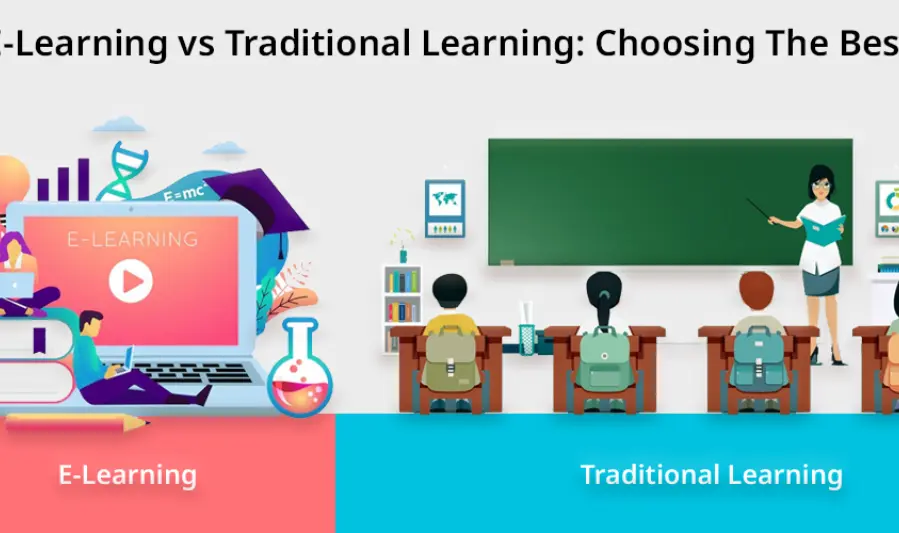
This post explores the key differences between EdTech tools and traditional teaching methods, helping educators, students, and parents understand how both approaches compare—and how they can be used effectively in today’s evolving learning environments.
edtech tools vs traditional teaching methods (comparison)
What Are EdTech Tools?
EdTech tools (Educational Technology tools) are digital platforms, applications, and devices used to support teaching and learning. These include tools like Google Classroom, Kahoot!, Zoom, and learning management systems that enhance instruction through interactivity, automation, and personalization.
What Are Traditional Teaching Methods?
Traditional teaching methods rely on face-to-face instruction, printed materials, lectures, and direct teacher-led activities in a physical classroom setting. They emphasize structure, routine, and in-person interaction between students and teachers.
Why This Comparison Matters
With education increasingly incorporating technology, it’s essential to understand the strengths and limitations of both EdTech tools and traditional teaching. This comparison helps educators choose the right approach—or blend of approaches—to meet the diverse needs of today’s learners.
Comparison Categories

a. Teaching Style and Delivery
- Traditional: Relies on teacher-led instruction, chalk-and-talk methods, lectures, and physical demonstrations.
- EdTech: Involves technology-assisted learning such as video lessons, interactive slides, and digital platforms.
- Examples:
- Traditional: A teacher lectures from a textbook and writes on a board.
- EdTech: A teacher uses Nearpod to deliver an interactive, multimedia-rich lesson.
b. Student Engagement
- Traditional: May lean toward passive learning—note-taking, listening, and following directions.
- EdTech: Promotes active learning through gamification, interactive quizzes, videos, and simulations.
- Impact: Digital tools like Kahoot! and Flipgrid keep students more involved and motivated to participate.
c. Access to Learning Materials
- Traditional: Physical textbooks, handouts, and classroom-based resources.
- EdTech: Offers digital content—eBooks, videos, apps—accessible from anywhere with an internet connection.
- Advantage: Students can review material anytime, supporting diverse schedules and learning environments.
d. Assessment and Feedback
- Traditional: Paper-based quizzes, tests, and manual grading.
- EdTech: Real-time digital assessments with instant feedback and analytics (e.g., Quizizz, Google Forms).
- Benefit: Enables more responsive teaching and faster intervention for struggling students.
e. Classroom Management
- Traditional: Managed through teacher presence, rules, and physical cues.
- EdTech: Tools like ClassDojo or GoGuardian help monitor behavior and manage student activity online.
- Insight: Digital tools offer data-driven insights and support for hybrid or remote settings.
f. Cost and Infrastructure
- Traditional: Ongoing expenses for textbooks, printed materials, physical maintenance.
- EdTech: Upfront costs for devices and internet, but often more scalable and resource-efficient long term.
- Budget Note: Schools must weigh long-term savings from digital platforms vs. initial investment.
g. Flexibility and Personalization
- Traditional: Standardized lesson plans for entire classes, less adaptability.
- EdTech: Adaptive platforms like Khan Academy or DreamBox tailor content to each learner’s pace and level.
- Advantage: Supports personalized learning paths and accommodates different learning styles.
h. Student Independence
- Traditional: Teacher-directed learning with structured schedules.
- EdTech: Encourages self-paced, autonomous study, with tools for setting goals and tracking progress.
- Outcome: Helps students build responsibility, self-regulation, and critical thinking skills.
Pros and Cons: EdTech Tools vs. Traditional Teaching
| Aspect | EdTech Tools | Traditional Teaching |
|---|---|---|
| Pros | ||
| Engagement | Highly interactive through multimedia, gamification, and real-time collaboration | Personal connection and direct communication with students |
| Accessibility | Learn anytime, anywhere with internet and devices | Consistent routine in a familiar physical space |
| Personalization | Adaptive learning paths based on student progress | Teacher can adjust explanations on the spot during lessons |
| Feedback & Assessment | Instant feedback, auto-grading, data analytics | Detailed, personalized written or verbal feedback |
| Scalability | Easier to scale for large groups or remote learners | Strong classroom culture and community |
| Independence | Promotes self-paced learning and digital skills | Structured environment supports discipline |
| Cons | ||
| Technical Dependence | Requires reliable internet, devices, and digital literacy | Limited access to diverse resources and tools |
| Screen Time | Risk of digital fatigue and distraction | Less engaging for tech-savvy or visual learners |
| Social Interaction | May reduce face-to-face communication and social development | More opportunities for peer bonding and live discussion |
| Implementation Challenges | Requires training, setup, and ongoing tech support | Less flexibility in curriculum and delivery |
| Equity Issues | Digital divide can limit access for some students | Access often more uniform within a school setting |
This table gives a balanced overview for readers deciding which approach—or blend—is right for their context.
When to Use Traditional Teaching Methods
- Young Learners: Early childhood and elementary students often benefit from face-to-face guidance and social interaction.
- Hands-On Subjects: Practical skills that require physical presence, like lab work, art, or physical education.
- Structured Environments: Students who thrive in highly supervised, routine-based settings.
- Limited Technology Access: Settings where reliable internet or devices are scarce.
- Building Social Skills: Environments focusing on interpersonal development and real-time group dynamics.
The Rise of Blended Learning Approaches
- Combining Strengths: Mixing traditional in-person teaching with EdTech tools for a balanced, effective learning experience.
- Flexibility & Structure: Providing both hands-on instruction and self-paced digital content.
- Enhanced Interaction: Leveraging technology to complement, not replace, personal teacher-student relationships.
- Customizable Models: Schools and educators tailor the blend based on student needs, resources, and curriculum goals.
- Examples: Flipped classrooms, hybrid university courses, and tech-supported group projects.
Challenges in Implementation
1. Technology Access and the Digital Divide
Not all students and schools have equal access to devices, reliable internet, or technical infrastructure, which can widen educational inequalities.
2. Teacher Training and Support
Effective use of EdTech requires educators to be well-trained and confident with digital tools. Lack of ongoing professional development can limit tool adoption and impact.
3. Balancing Screen Time and Student Focus
Excessive screen time may lead to fatigue and distraction. It’s essential to balance digital learning with offline activities to maintain engagement and well-being.
you may also like to read these posts:
Comparing Group Study and Self Study: Benefits and Best Uses
Best Business Computers in 2025: Performance & Reliability
Powerful & Compact: Best Portable Mini PCs for
Exploring Different Types of Online Learning Platforms
The Future of Education
The future of education is being shaped by emerging technologies such as Artificial Intelligence (AI), Augmented Reality (AR), Virtual Reality (VR), and advanced data analytics. These innovations promise more personalized, immersive, and data-driven learning experiences that cater to individual student needs.
Hybrid classrooms—combining online and in-person instruction—are becoming increasingly popular, offering flexibility and accessibility while retaining the benefits of face-to-face interaction.
Preparing for these ongoing changes means educators, students, and institutions must stay adaptable, continuously update their skills, and embrace technology as a core part of teaching and learning.
Faqs:
What are the main differences between EdTech tools and traditional teaching methods?
EdTech tools use digital technology to enhance learning through interactive content and instant feedback, while traditional methods rely on face-to-face instruction and physical materials like textbooks.
Can EdTech tools completely replace traditional teaching methods?
While EdTech offers many benefits, it is best used to complement traditional teaching rather than fully replace it, as in-person interaction and hands-on learning remain important.
Are EdTech tools suitable for all students and grade levels?
EdTech tools can be adapted for various age groups and learning styles, but teachers should choose tools appropriate to their students’ needs and developmental stages.
What challenges do teachers face when integrating EdTech tools?
Common challenges include lack of training, limited access to technology, resistance to change, and ensuring student engagement without distractions.
How can teachers balance the use of EdTech tools and traditional methods?
Teachers can use a blended learning approach, combining the structure and personal interaction of traditional methods with the flexibility and engagement of EdTech tools.
Conclusion
Both EdTech tools and traditional teaching methods have valuable roles in education. Traditional methods offer structure, personal interaction, and time-tested instructional strategies, while EdTech tools bring flexibility, engagement, and accessibility to the learning process. The most effective education often comes from blending these approaches to suit the unique needs of students and classrooms. Embracing both methods allows teachers to create dynamic and inclusive learning environments that prepare students for the demands of the modern world.