
Introduction
In recent years, educational technology (EdTech) has become a central part of classrooms, online learning, and professional development. From interactive apps to full-scale learning management systems, EdTech tools are reshaping how students learn and how teachers teach.
But beyond their popularity, it’s important to understand why these tools are effective—not just that they exist. When used thoughtfully, EdTech can significantly enhance student engagement, personalize learning, and improve academic outcomes.
The purpose of this post is to explore the core reasons why EdTech tools work, and how they contribute to more impactful, inclusive, and modern education.
Personalized Learning Opportunities

Personalized learning is an approach that tailors instruction to meet the unique needs, pace, and learning style of each student. Instead of using a one-size-fits-all method, personalized learning allows learners to progress at their own speed and focus on areas where they need the most support.
EdTech tools make this possible through adaptive technologies that respond in real time to student performance. These platforms track progress, identify strengths and weaknesses, and automatically adjust the level of difficulty or recommend specific content based on the learner’s needs.
Benefits of Personalized Learning Through EdTech:
- Self-Paced Learning: Students can move quickly through material they understand or slow down when they need more time, reducing frustration and boredom.
- Targeted Skill Improvement: Learners receive focused practice in the exact areas they struggle with, improving efficiency and retention.
- Greater Student Autonomy: Personalized pathways empower students to take ownership of their learning journey.
Examples of EdTech Tools Offering Personalized Learning:
- Khan Academy: Uses mastery-based progression to personalize math and science practice.
- IXL: Provides personalized skill plans aligned with curriculum standards and tracks student growth.
- DreamBox: Adapts math lessons in real time based on how students interact with each question.
By offering personalized learning opportunities, EdTech tools make education more responsive, efficient, and engaging for every learner.
Enhanced Student Engagement
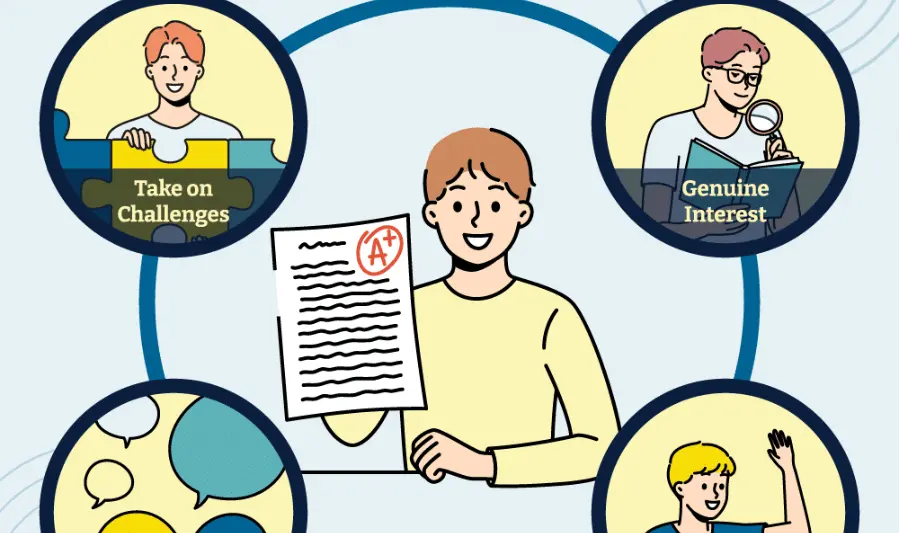
One of the most powerful benefits of EdTech tools is their ability to increase student engagement. Traditional teaching methods can sometimes struggle to hold students’ attention, especially in digital-first generations—but EdTech brings learning to life through interactivity and innovation.
Interactive Features that Boost Engagement:
Modern EdTech tools use elements such as:
- Games and Quizzes
- Simulations and Virtual Labs
- Educational Videos and Animations
These features make learning more dynamic and hands-on, allowing students to actively participate rather than passively absorb information.
The Role of Gamification:
Gamification—applying game elements like points, badges, leaderboards, and challenges to learning—dramatically increases motivation and participation. When students feel rewarded for their effort and progress, they’re more likely to stay engaged and return to the material.
Gamification can:
- Turn repetitive practice into fun competition
- Encourage perseverance through instant feedback and leveling systems
- Create a sense of achievement and ownership
Impact on Focus and Classroom Dynamics:
Engaging EdTech tools help improve:
- Attention span and focus, especially in younger learners
- Classroom energy, as students become more involved in lessons
- Collaboration and friendly competition, creating a more interactive learning environment
Examples of Engaging EdTech Tools:
- Kahoot!: Live quiz platform with colorful visuals and real-time competition
- Duolingo: Language learning gamified with daily streaks, XP, and bite-sized lessons
- Blooket: A classroom game tool that transforms quizzes into various game modes
By making learning more enjoyable and immersive, EdTech tools significantly boost student interest, leading to better participation and improved learning outcomes.
Real-Time Feedback and Assessment
One of the key advantages of EdTech tools is their ability to provide immediate feedback and ongoing assessment, which plays a crucial role in improving student learning and instructional decision-making.
Instant Grading and Analytics
With traditional assessments, students often wait days to receive their results. EdTech tools eliminate this delay by offering:
- Automatic grading of quizzes and assignments
- Live progress tracking
- Performance analytics at both individual and class levels
Students get immediate insight into what they did well and where they need improvement, allowing them to correct mistakes and reinforce concepts in real time.
How Feedback Improves Learning Outcomes
Research shows that timely, specific feedback is one of the most effective ways to promote student growth. Real-time feedback:
- Helps students recognize errors while the material is still fresh
- Encourages self-reflection and active learning
- Builds confidence by showing progress quickly
It also supports formative assessment, where teachers and students use ongoing feedback to adjust learning strategies before final evaluations.
Teacher Benefits: Data to Inform Instruction
For educators, real-time assessment tools offer actionable insights, including:
- Which students are struggling or excelling
- Which topics may need to be retaught
- How to differentiate instruction more effectively
This data-driven approach saves time and helps teachers personalize learning more accurately.
Examples of Tools That Offer Real-Time Feedback:
- Quizizz: Gamified quizzes with immediate feedback and performance reports
- Google Forms: Quick assessments with auto-grading and analytics via Google Sheets
- Socrative: Real-time quizzes, exit tickets, and space races for instant formative feedback
By streamlining assessment and enhancing feedback, EdTech tools help both teachers and students stay more informed, more engaged, and better prepared to succeed.
Improved Collaboration and Communication
Modern education isn’t just about absorbing information—it’s about interacting, sharing, and working together. EdTech tools play a crucial role in enhancing collaboration and communication, making learning more connected and inclusive.
Platforms for Teamwork and Discussion
EdTech tools provide digital spaces where students can:
- Collaborate on group projects in real time
- Share ideas through discussion boards or shared documents
- Provide and receive peer feedback
This fosters not just academic growth, but also critical soft skills like teamwork, communication, and problem-solving.
Support for Teacher-Student and Peer-to-Peer Communication
These tools make it easier for everyone to stay connected, inside and outside the classroom:
- Teachers can post announcements, assign work, give feedback, and answer questions efficiently
- Students can ask questions, message their peers, and clarify doubts without waiting for class time
Communication becomes more immediate, organized, and transparent.
Relevance in Hybrid and Remote Classrooms
In remote and hybrid learning environments, EdTech is essential for maintaining connection and structure. Tools bridge the gap by:
- Enabling real-time virtual meetings
- Supporting asynchronous discussions
- Keeping all resources and conversations in one accessible place
Whether students are learning from home or in class, collaboration remains seamless.
Examples of Collaborative EdTech Tools:
- Google Classroom: Streamlined assignment management, announcements, and feedback in one hub
- Microsoft Teams: Integrated chat, video meetings, file sharing, and collaboration for classrooms and schools
- Padlet: A digital bulletin board for brainstorming, Q&A, and visual collaboration
By facilitating active participation and open communication, EdTech tools help create a more interactive and socially connected learning experience—essential for both academic success and personal development.
Access to a Wide Range of Learning Resources
One of the standout advantages of EdTech tools is the incredible breadth and variety of learning materials they provide. This diversity caters to different learning preferences and keeps students engaged by offering content in multiple formats.
Multimedia Support: Video, Audio, Text, Simulations
EdTech platforms often combine various types of media to create rich, interactive learning experiences. For example:
- Videos and animations to visually explain complex concepts
- Audio content like podcasts or narrations for auditory learners
- Textual materials such as articles, eBooks, and transcripts
- Simulations and interactive modules that allow hands-on practice in a virtual environment
This multimedia approach helps make lessons more engaging and accessible.
Tools Supporting Diverse Learning Styles
Different students absorb information differently—some learn best by watching, others by listening or doing. EdTech tools accommodate these differences by offering:
- Visual aids for visual learners
- Interactive quizzes and games for kinesthetic learners
- Audio explanations for auditory learners
This variety empowers students to learn in ways that suit them best, improving retention and understanding.
Increased Exposure to Global Knowledge and Current Information
Unlike traditional textbooks, digital resources are easily updated and often pull from a global pool of expertise, meaning:
- Students can access cutting-edge research and latest developments in any field
- They can explore perspectives from around the world, fostering a broader worldview
- Resources often come from reputable global institutions, enhancing credibility and depth
Examples of Platforms Offering Diverse Resources
- BrainPOP: Animated videos combined with quizzes and activities for younger learners
- Nearpod: Interactive lessons integrating videos, polls, and collaborative boards
- Edpuzzle: Enables teachers to add questions to videos, making passive watching active learning
By providing access to a wide array of formats and up-to-date content, EdTech tools ensure that learning is not only effective but also engaging and personalized to each student’s needs.
Flexible Learning Environments
One of the key strengths of EdTech tools is their ability to create flexible learning environments that adapt to the needs and lifestyles of diverse learners.
Learning Anytime, Anywhere
EdTech tools break down the traditional barriers of location and time, allowing students to access learning materials whenever and wherever it suits them. This means:
- No need to be physically present in a classroom
- Ability to fit learning around work, family, or other commitments
- Opportunity to revisit lessons and resources multiple times for better understanding
Supporting Different Schedules and Learning Speeds
Every learner is unique, and EdTech platforms accommodate this by enabling self-paced study. Students can:
- Progress faster through familiar material
- Spend more time on challenging topics
- Take breaks when needed without falling behind
This personalized pacing helps reduce stress and improve mastery.
Mobile Learning and Self-Access Platforms
With the widespread use of smartphones and tablets, many EdTech platforms offer mobile apps, making it even easier to learn on the go. Features include:
- Downloadable content for offline study
- Push notifications to remind learners about deadlines or new material
- Interactive lessons optimized for smaller screens
Examples of Platforms Offering Flexible Learning
- Coursera: Offers courses from universities that learners can take at their own pace
- Udemy: Provides a vast catalog of courses available anytime, often with lifetime access
- Various mobile apps: Including language learning apps like Duolingo or coding platforms like SoloLearn
This flexibility not only increases access but also empowers learners to take control of their educational journeys, fitting learning naturally into their everyday lives.
Development of Independent Learning Skills
EdTech tools play a crucial role in cultivating independent learning skills, empowering students to take charge of their education and become self-directed learners.
Fostering Responsibility and Self-Guided Study
Many EdTech platforms encourage learners to manage their own progress by providing features such as:
- Self-paced modules that require setting personal schedules
- Interactive lessons that promote active engagement and critical thinking
- Reminders and notifications that help maintain study routines
This autonomy helps students develop discipline, motivation, and problem-solving skills essential for independent learning.
you may also like to read these posts:
Comparing Group Study and Self Study: Benefits and Best Uses
Best Business Computers in 2025: Performance & Reliability
Powerful & Compact: Best Portable Mini PCs for
Exploring Different Types of Online Learning Platforms
Tracking Progress and Setting Learning Goals
EdTech tools often include dashboards and analytics that allow learners to:
- Monitor their achievements and areas needing improvement
- Set short-term and long-term learning goals
- Receive personalized feedback based on performance
These features provide learners with clear insights into their progress, helping them stay focused and make informed decisions about their study strategies.
Long-Term Benefits for Lifelong Learning
By fostering independence, EdTech prepares students not only for academic success but also for continuous personal and professional development. Independent learning skills developed through EdTech:
- Encourage curiosity and adaptability in a rapidly changing world
- Build confidence in tackling new challenges without constant supervision
- Support ongoing skill development beyond formal education
In summary, EdTech tools don’t just deliver content—they nurture essential skills that empower learners to thrive throughout their lives.
Teacher Support and Instructional Efficiency
EdTech tools significantly enhance teachers’ ability to manage classrooms and deliver instruction more effectively by streamlining routine tasks and providing helpful resources.
Automation of Repetitive Tasks
Many EdTech platforms automate time-consuming activities such as:
- Grading quizzes and assignments with instant, objective scoring
- Tracking attendance digitally and maintaining records
- Generating reports on student performance and engagement
This automation frees teachers from administrative burdens, allowing them to focus more on personalized instruction and student interaction.
Time-Saving Tools for Lesson Planning and Content Delivery
EdTech offers a range of tools designed to simplify curriculum development and content sharing, including:
- Pre-built lesson plans, multimedia resources, and interactive modules
- Easy distribution of assignments and materials through Learning Management Systems (LMS)
- Tools for creating customized presentations, quizzes, and activities quickly
Such features help educators save preparation time while enhancing the quality and variety of instructional materials.
Better Classroom Management with Digital Tools
Digital platforms provide functionalities to support effective classroom control, such as:
- Monitoring student participation during in-person or virtual lessons
- Managing group activities and facilitating collaboration
- Tracking behavior and providing immediate feedback
These tools help create a more organized and engaging learning environment, promoting both discipline and active involvement.
Overall, EdTech tools empower teachers by increasing their instructional efficiency, reducing workload, and enhancing their ability to support diverse learner needs.
Addressing Learning Gaps and Differentiation
EdTech tools play a crucial role in recognizing and bridging learning gaps, ensuring that every student receives the support they need to succeed.
Identifying Learning Difficulties
- Many platforms use data analytics and assessments to pinpoint areas where students struggle.
- Adaptive learning technologies continuously monitor performance, highlighting specific concepts or skills that need reinforcement.
- Teachers receive detailed reports, enabling targeted interventions rather than generic support.
Support for Students with Special Needs
- EdTech offers customizable features like text-to-speech, closed captions, adjustable font sizes, and alternative input methods to accommodate diverse learning abilities.
- Specialized software helps students with disabilities engage more fully, whether through assistive technologies or tailored content delivery.
- These tools foster inclusivity by making learning accessible to all students regardless of physical, cognitive, or sensory challenges.
Tailored Instruction and Intervention
- Based on identified gaps, EdTech platforms can personalize learning paths to match each student’s pace and style.
- Teachers can assign remedial exercises or enrichment activities designed specifically for individual needs.
- Real-time feedback allows quick adjustments to instruction, ensuring students don’t fall behind and stay motivated.
In sum, EdTech tools support differentiated instruction by providing data-driven insights and flexible learning options, helping educators close learning gaps and nurture every student’s potential.
Faqs:
How do EdTech tools identify individual learning gaps?
Many platforms use quizzes, assignments, and interactive activities to track student performance in real time. This data highlights specific areas where a student struggles, enabling targeted support.
Can EdTech tools support students with disabilities?
Yes! Many EdTech tools include accessibility features like text-to-speech, adjustable text size, closed captions, and alternative input options to accommodate diverse needs and promote inclusive learning.
How do adaptive learning technologies personalize instruction?
Adaptive systems adjust the difficulty and type of content based on a student’s responses and progress, creating a customized learning path that targets weaknesses and builds on strengths.
Are teachers able to monitor and intervene effectively using EdTech?
Absolutely. EdTech platforms provide detailed analytics and reports that help teachers understand each student’s progress and tailor interventions, ensuring timely and effective support.
Does using EdTech guarantee that all learning gaps will be closed?
While EdTech significantly aids in identifying and addressing gaps, it works best when combined with teacher guidance and personalized instruction. Technology is a powerful tool but not a complete replacement for human support.
Conclusion
EdTech tools have transformed the way educators identify and address learning gaps, offering personalized and adaptive support that caters to each student’s unique needs. By providing real-time data, accessibility features, and tailored content, these technologies empower both teachers and learners to overcome challenges more effectively. However, the true potential of EdTech is unlocked when it complements thoughtful instruction and human interaction. As education continues to evolve, embracing these tools thoughtfully can create more inclusive, engaging, and successful learning experiences for all students.